Locating Reliable Construction Specialists Well
Understanding the Role of a Commercial General Contractor in Providing Excellent Project Results
A commercial general contractor plays a crucial role in construction. They make certain projects finish promptly and affordably. Their role involves coordinating multiple stakeholders and managing complex schedules. This integration is essential for upholding safety and quality benchmarks. Understanding their responsibilities clarifies their influence over building achievements. How do they specifically strategize to navigate challenges and deliver successful results?
The Importance of a Commercial General Contractor
Although some may misjudge their importance, a commercial general contractor is essential to the success of building projects. Acting as the primary point of coordination, these professionals confirm that all parts of the build are unified without issue. Their expertise encompasses not only project management but also effective communication between stakeholders, including clients, subcontractors, and suppliers. By overseeing timelines, budgets, and resource allocation, they lessen dangers and improve operational efficiency.
Furthermore, commercial general contractors manage complicated legal frameworks, confirming conformity with local building regulations and safety rules. Their experience in conflict resolution and handling issues is extremely valuable, particularly when unexpected challenges arise during construction. Ultimately, a skilled commercial general contractor cultivates partnerships, heightens productivity, and supports the project's quality. Their key position sets the stage for positive results, making them essential for every construction undertaking, regardless of scope or difficulty.
Key Responsibilities of a Commercial General Contractor
While overseeing a construction project, a commercial general contractor assumes a multitude of key responsibilities that are essential for its success. Primarily, they manage project schedules, ensuring deadlines are met and that the project progresses as planned. They also control the budget, managing expenses and ensuring resources are allocated efficiently.
Moreover, the contractor is responsible for hiring and coordinating subcontractors, picking suitable specialists for specific jobs such as plumbing and electrical work. They guarantee compliance with local building codes and safety regulations, lessening dangers associated with construction activities.
Additionally, a commercial general contractor is tasked with obtaining required permits and licenses to facilitate the construction process. They conduct regular site inspections to track quality and project advancement, dealing with concerns that arise promptly. In essence, their function is to ensure that the work adheres to specifications, meets the deadline, and is completed under the allocated funds.
Coordination and Communication in Construction Projects

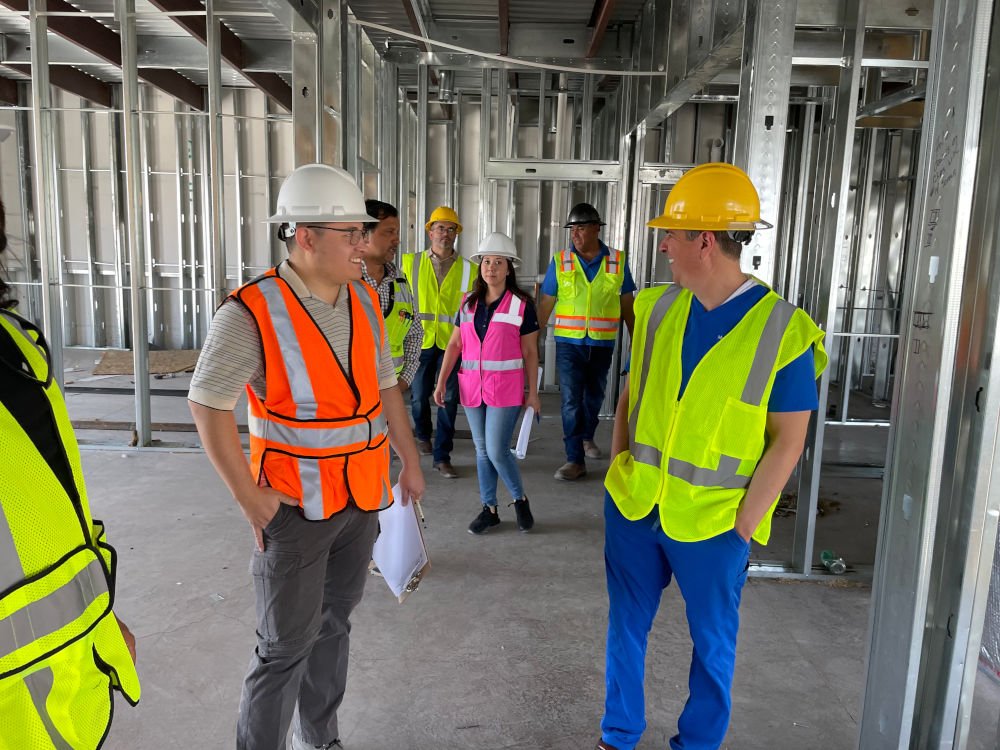
Effective coordination and communication are essential elements in the success of construction projects, as they guarantee that all stakeholders are aligned with the project's goals and timelines. The general contractor is central in facilitating this process by establishing clear lines of communication among clients, architects, suppliers, and subcontractors. The contractor ensures that information regarding potential issues, modifications, and progress updates are communicated efficiently and quickly.
Regular meetings and status reports are integral to this management effort, facilitating the swift settlement of disputes and the modification of timelines when required. The contractor's ability to foster collaboration among different parties improves total project efficiency and lessens miscommunications. Furthermore, utilizing project management technologies and tools can streamline communication, ensuring all participants can access to the up-to-date information. Effective communication and coordination culminate in better project results and stakeholder satisfaction in the construction industry.
Managing Budgets and Overseeing Finances
Budget management and financial oversight are essential to the successful completion of building projects, making certain resources are used effectively and spending is contained. The general contractor is instrumental in this process by developing detailed budgets based on client expectations and the project's scope. They oversee all expenses throughout the project lifecycle, identifying variances and performing needed modifications to steer clear of exceeding the budget.
The contractor also collaborates with subcontractors and suppliers to finalize agreements, guaranteeing fair pricing while upholding standards of quality. Routine financial reports and projections enable stakeholders to stay informed and make informed decisions quickly. By implementing stringent financial controls, the contractor mitigates risks associated with unforeseen expenses, maintaining the project's financial health. Crucially, sound financial control and budget administration boost the likelihood of project success but also cultivate a reliable relationship with the client, leading to the successful conclusion of the project.
Maintaining High Safety and Quality Levels
A comprehensive strategy for guaranteeing safety and quality is critical for construction projects, where the stakes are high and the margins for error are slim. Commercial general contractors play a pivotal role in establishing strict safety guidelines and quality assurance measures during every phase of the project. It is their duty to follow industry standards, local codes, and best practices, which minimizes project risks and enhance overall project integrity.
To achieve this, contractors often conduct regular site inspections, ensure adherence to safety rules, and provide ongoing training for workers. Contractors partner with reputable subcontractors and vendors who prioritize quality results, ensuring that materials and workmanship meet established standards. By promoting high standards of safety and quality, commercial general contractors ensure worker well-being but also improve the lifespan and resilience of the buildings they construct, ultimately leading to successful project outcomes and satisfied clients.
Frequently Asked Questions
What Qualifications Should I Look for in a General Contractor?
In choosing a general contractor, one should consider their licenses, insurance, experience, references, and project portfolio - Hickory top rated Commercial General Contractor. Additionally, effective communication skills and a read here history of successfully handling schedules and costs are crucial for achieving project success
How Should I Go About Picking the Right Contractor for My Project?
When picking a suitable contractor, one should assess their background, check references, review past projects, validate insurance and licensing, and ensure open lines of communication. A comprehensive interview stage can help assess alignment with project objectives.
What Are Common Challenges Faced by Commercial General Contractors?
General contractors frequently deal with issues like managing subcontractors, labor shortages, budget limits, scheduling issues, and compliance requirements. These difficulties have the potential to influence the overall quality, budget, and duration of the project if not effectively addressed throughout the process.
How Do Contractors Handle Unexpected Issues During Construction?
To handle unexpected construction issues, builders usually quickly evaluating the situation, creating backup strategies, and updating clients and partners. Hickory top rated Commercial General Contractor. These teams often depend on experience and teamwork to execute solutions, guaranteeing minimal interference to the project's timeframe and financial plan
What is the Average Timeframe for a Commercial Building Project?
The typical timeline for a business construction job spans several months to a few years, contingent upon factors such as project scope, complexity, permitting processes, and the materials and labor being available.